Campus Reviews: What Students Say About Living and Learning at Alfaisal University
Alfaisal University, ranked 648th globally in the QS World University Rankings, has a Google rating of 4.4 from 966 reviews. The feedback from students and visitors reveals both praise for academic quality and criticism of student welfare. Understanding these perspectives helps prospective students decide what kind of housing and daily routine will suit them.
A 1-star review from “Stars” states: “For a university that’s supposed to be prestigious, there’s very little consideration for students’ well-being. The workload feels overwhelming and exhausting, with almost no flexibility or understanding, even during Ramadan. Students should feel supported, not constantly drained Academic standards.” This comment signals that the academic environment is demanding, and students may need short commutes and quiet, comfortable housing to manage the workload, especially during Ramadan when schedules shift.
On the positive side, “Radhi Bajahaw” gave 5 stars: “There is no doubt that Alfaisal University is one of the most prestigious universities in Saudi Arabia and it is characterized by the high quality of education. I visited it once and I admired its atmosphere. The main building is not yet complete.” This points to ongoing campus development – the main building is still under completion, which may mean some facilities are spread out or temporary. Housing near campus could reduce the time spent navigating construction zones.
“Mohd. Rafi TK” awarded 4 stars: “Alfaisal University, founded in 2002, in a very short period of time, has become one of the top non-profit university in the kingdom of Saudi Arabia.” The university’s rapid rise suggests a growing student body, potentially increasing demand for nearby rental properties.
Finally, “Manoj Varghese” gave 5 stars: “Ranked between 251-300 internationally, Alfaisal University is one of the best Medical Universities in the Middle Eastern Region. The infrastructure, campus, and facilities provided for the students is class above the rest in the Kingdom. High profile Faculty and curricula matching international sta.” While the overall QS rank is now 648 (note: that rank may refer to the broader university or a different data point), the review highlights the quality of medical and science facilities. Students in those programs might prefer housing that offers a quiet study environment.
Takeaway: The university values academic rigor, but student well-being can be a concern. Housing that is close, quiet, and flexible (e.g., with 24‑hour study spaces or a forgiving lease during Ramadan) will likely support a better experience.
City Context: Riyadh – A Sprawling Capital
Alfaisal University is located at Al Zahrawi Street, intersecting with Al Takhassousi, in the Al Maather district of Riyadh. Riyadh is a sprawling, car‑centric city with limited public transit compared to many global capitals. The Riyadh Metro is under phased opening, but many areas still rely on taxis, ride‑hailing apps, or private cars.
Al Maather is a central district, near major roads and commercial zones. The area around the university is a mix of residential compounds, apartment buildings, and office towers. Students often choose between:
- Walkable compounds directly adjacent to campus – ideal for those who want to avoid traffic.
- Apartments a few kilometres away – more affordable but requiring a daily commute.
- Shared villas in quieter residential lanes – common for groups of students.
Riyadh has a continental desert climate: very hot summers (above 45°C) and mild winters. Walking in summer is only realistic for very short distances (under 10–15 minutes). During the cooler months (November–February), longer walks become feasible.
Budget Bands: General Guidance (Indicative – Confirm with Operator)
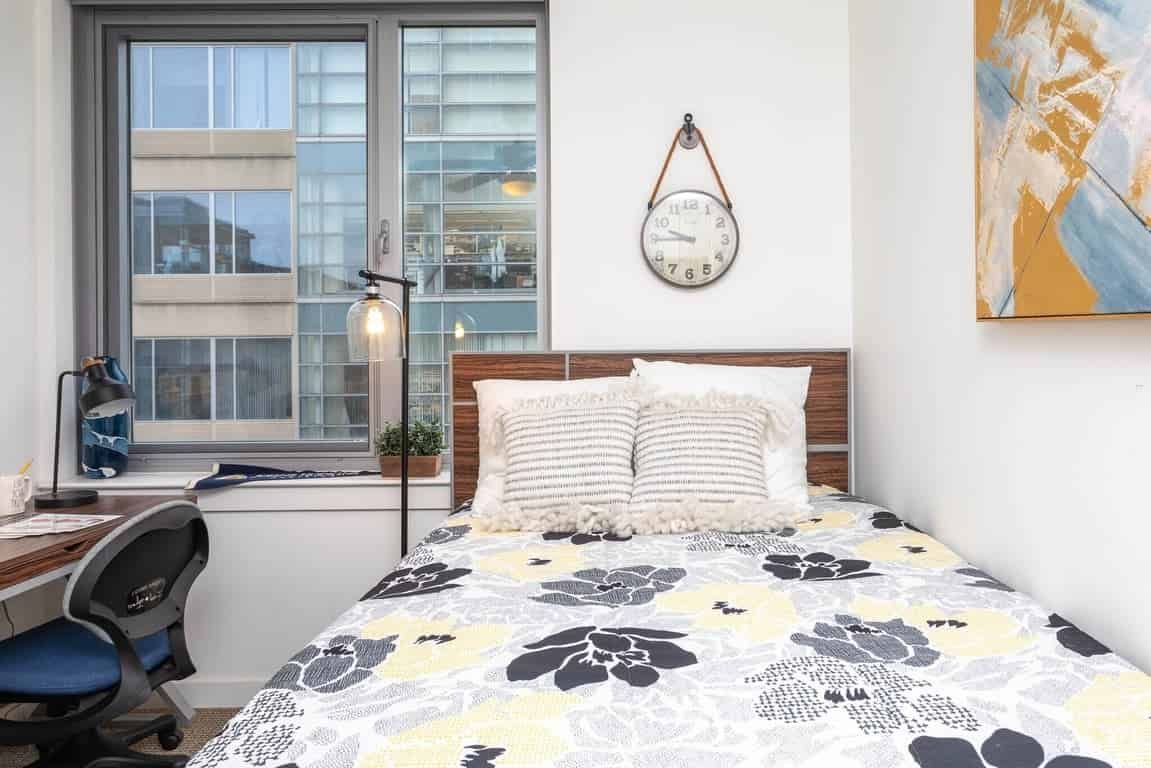
Rental prices in Riyadh vary significantly by property type, location, and included utilities. Based on typical market patterns (not from the given data, so treat as indicative only):
- Low budget (shared rooms or basic individual studio in older buildings 3–5 km away): roughly 1,500–2,500 SAR per month (indicative).
- Mid budget (modern studio or one‑bedroom apartment within 2–3 km): roughly 2,500–4,500 SAR per month (indicative).
- High budget (furnished one‑bedroom or two‑bedroom flat in a compound near campus): 4,500–7,000 SAR per month (indicative).
Always verify current prices directly with landlords or property agents, as rates change frequently and may include or exclude utilities, internet, and maintenance.
Walk vs. Transit Trade‑Off
Walking
The university address is on Al Zahrawi Street, near Al Takhassousi and Al Maather. Some residential buildings and apartment towers are within a 10–20 minute walk. Benefits:
- Avoid traffic jams (Riyadh peak hours can double commute times).
- Easier to attend late‑night classes or library sessions.
- No reliance on ride‑hailing apps (Uber, Careem) or taxis, saving money.
Drawbacks:
- Limited availability of affordable units within a comfortable walk (many nearby properties are newer and pricier).
- Summer heat makes walking uncomfortable or even unsafe for distances over 400 metres between June and September.
Transit & Driving
Most students in Riyadh drive or use ride‑hailing. The university does have on‑site parking, but space can be limited. The Riyadh Metro’s Blue Line is planned to run near parts of the city, but as of late 2026/2027, the Al Maather area may not be directly served. Students living 3–8 km away typically face:
- 15–45 minutes by car, depending on traffic.
- Monthly transportation costs: 300–800 SAR for fuel or ride‑hailing (indicative).
For those who prefer shorter commutes but cannot find affordable walking‑distance housing, cycling is not practical due to heat and lack of dedicated lanes.
Shortlist Logic: How to Choose a Residence Using Nearby Options
Based on the given data (address, reviews, and city context), here is a neutral step‑by‑step method to shortlist housing near Alfaisal University. No specific residence names are provided, so the logic focuses on search criteria you can apply on any platform or by contacting local agents.
Step 1: Define Your “Walk Zone”
- Draw a 1‑km radius from the intersection of Al Zahrawi Street and Al Takhassousi. Within that circle, look for apartment buildings or compounds.
- On Google Maps, use the “nearby” function to find residential complexes. Read recent reviews for mentions of noise, maintenance, and safety.
Step 2: Filter by Lease Flexibility
- Given the stress noted in reviews about demanding workloads and Ramadan, look for properties that offer month‑to‑month or 6‑month leases, not only year‑long contracts. This allows you to adjust if the commute or noise becomes problematic.
- Check whether the landlord allows early termination (with notice) in case you decide to move closer after experiencing campus life.
Step 3: Prioritise Amenities That Support Study and Well‑Being
- Look for units with a dedicated study desk, reliable high‑speed internet (fibre preferred), and air conditioning that works quietly.
- If the building has a shared lounge or study room, that can help during Ramadan when night study sessions are common.
- Avoid ground‑floor units facing main roads if noise is a concern.
Step 4: Verify Distance and Commute Time
- Use Google Maps with real‑time traffic data (check during typical rush hours: 7–9 AM and 4–7 PM).
- Measure walk time in moderate weather (25°C) and note whether there is covered or shaded pedestrian walkway for summer.
Step 5: Contact Multiple Operators
- Reach out to at least three property managers for each promising option. Ask: base rent, utility caps, internet speed, maintenance response time, and whether the unit is furnished.
- Request a video tour or in‑person visit. Pay attention to elevator condition (if the building is high‑rise) and security at the entrance.
Step 6: Align with Your Budget
- Use the indicative bands above. If your budget is low, expect to use a car or ride‑hailing – plan for that monthly cost.
- If your budget allows walking‑distance housing, prioritise that for time savings, especially if you are in a demanding medical or engineering programme.
Freqently Asked Questions (FAQ)
1. Does Alfaisal University offer on‑campus housing for students?
The provided data does not mention on‑campus accommodation. The campus main building is still under construction per one review, which may indicate that dormitories are either not yet built or limited. You should directly contact the university’s student affairs office to verify current housing options for the 2026/2027 academic year.
2. What is the best area to live in for a student without a car?
Given the university’s location in Al Maather, the immediate surrounding blocks (within a 1–2 km walk) are the most practical for car‑free living. You can search for apartments on streets like Takhassousi, Al Zahrawi, or nearby side alleys. During summer, ensure the route has some shade or air‑conditioned shops along the way. Ride‑hailing is widely available but adds monthly cost.
3. Are there any known safety concerns in the Al Maather district?
Riyadh is generally a safe city. The area around Alfaisal University is considered a well‑maintained, residential‑commercial zone. As with any city, check online reviews of specific buildings for issues like security at entry, lighting in parking areas, and management responsiveness. The university’s own security personnel patrol the campus perimeter.
Data as of January 2026. Prices are indicative and subject to change – confirm with the operator. Reviews quoted verbatim from Google Maps.
See also: listing details · browse more