Campus Reviews: What Students and Visitors Say
Kazakh National Agrarian University (KazNAU) holds a global QS ranking of 697 and enjoys a Google rating of 4.4 from 407 reviews. Students and visitors consistently highlight the university’s modern facilities, research focus, and welcoming atmosphere. Three reviews from the campus offer a direct glimpse into daily life:
-
Анна Оносова (5 stars, a year ago): “We visited Brigitte Hofherr’s exhibition dedicated to the protection of the Sievers apple tree. The children drew an apple tree and apples, and then there was an exhibition at the university. The university itself looks very modern, everything is neat inside, the navigation is good, and it’s immediate…” – This comment points to a well-organized, contemporary campus with clear signage, which can be reassuring for new students navigating the grounds.
-
Александр Степанов (4 stars, 10 months ago): “…I applied to the Agricultural Institute, but graduated from the Agricultural University (SHU, 😂👍), that’s what it says on my diploma. Those were good times, we were young…” – A nostalgic nod from an alumnus, suggesting the university has deep roots in the community and a network of former students who still visit.
-
Talgat SMAGULOV (5 stars, 4 months ago): “A modern university, in its research, can contribute good programs to the sustainable development of the agro-industrial complex.” – This review underscores the university’s practical, research-driven focus, which is central to its academic identity.
The university is located at Valikhanov St 137, Almaty 050000, Kazakhstan. This address places it in the heart of the city’s academic and central district, within walking distance of parks, cafés, and public transport. The building itself is described as modern, neat, and well-signposted – factors that contribute to a positive student experience.
Almaty: The City Behind the University
Almaty is Kazakhstan’s largest city and its former capital, now a major cultural, financial, and educational hub. Nestled at the foot of the Trans-Ili Alatau mountains, it offers a mix of Soviet-era architecture, green boulevards, and a growing modern skyline. The city’s population exceeds 2 million, with a diverse community of international students, professionals, and expats.
Key characteristics relevant to student housing:
- Climate: Almaty has a humid continental climate with hot summers (up to 35°C) and cold winters (down to -15°C). Heating efficiency and insulation are important when choosing accommodation.
- Transport: The city has an expanding metro system (two lines), buses, trams, and shared taxis. The university is close to metro stations such as “Abay” (about 1.5 km) and “Almaly” (about 2 km). Buses and minibuses run along Dostyk Avenue and Abay Avenue.
- Cost of living: Almaty is the most expensive city in Kazakhstan, but still affordable compared to Western European or US cities. Monthly rent for a one-bedroom apartment in the city centre ranges from $300-600 (indicative), while shared flats can be found for $150-300 per person (indicative).
- Safety: Almaty is generally safe, though students should exercise usual caution at night and in less busy areas. The university district is well-patrolled and popular among students.
The city also offers a lively cultural scene – theatres, museums, concerts, and a large student population. The Panfilov Park, Green Bazaar, and Kok-Tobe Hill are within reach for weekend exploration.
Budget Bands for Nearby Housing
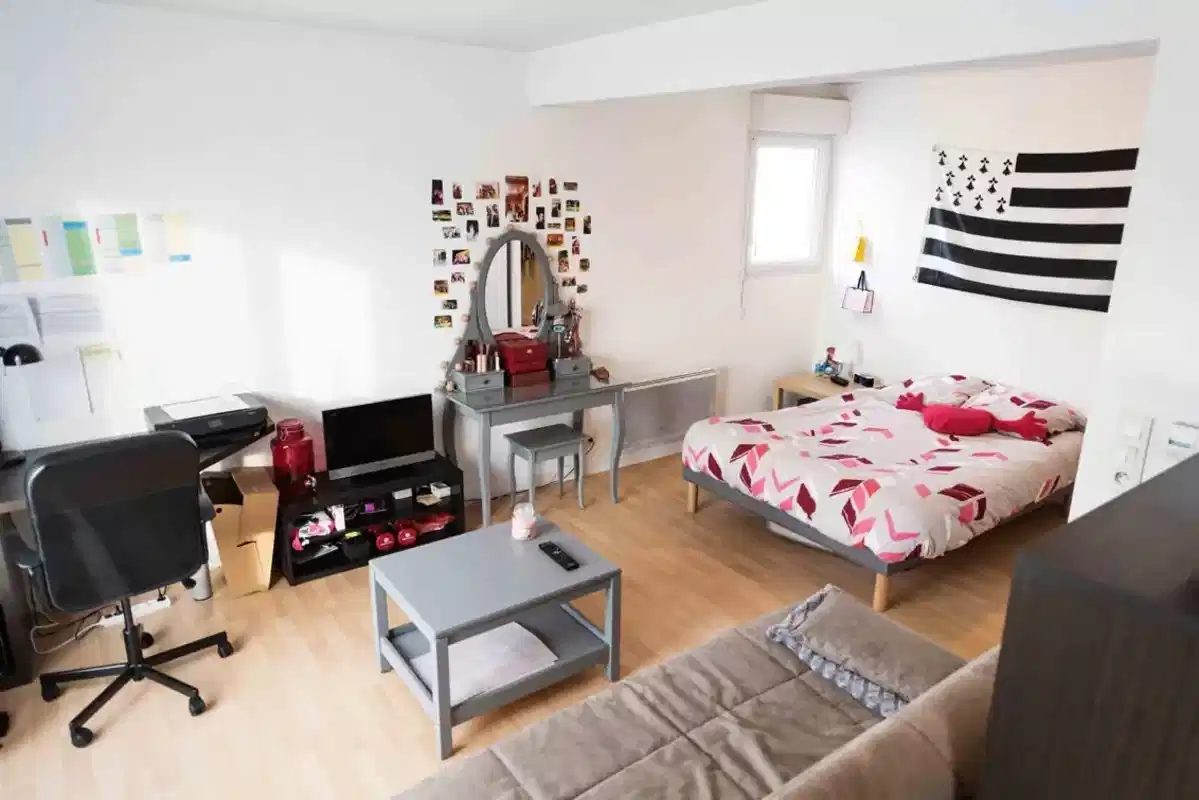
Housing options around Kazakh National Agrarian University vary widely depending on distance, amenities, and flat type. The university is situated in a central area, so finding affordable accommodation within walking distance requires careful planning. Below are typical monthly rental bands (indicative – confirm with the operator):
- Budget (shared rooms or dormitories): $100–200 per person per month. Typically in older Soviet-era dorm buildings or shared flats with basic furnishings. These may be 10–20 minutes away by bus or minibus. Heating and utilities are often included, but internet and electricity might be extra.
- Mid-range (studio or one-room apartment): $200–400 per month. These are usually private flats within 15–30 minutes’ walk of campus. Many are located in concrete panel buildings near the university; they often have a separate kitchen, bathroom, and a combined living/sleeping area.
- Upper-mid (modern one-bedroom): $400–600 per month. Found in newer residential complexes along Abay Avenue or in the “Satpaev” district (west of campus). These flats may have 24/7 security, elevator, and good insulation. Commute by bus or metro is 20–30 minutes.
- Premium (serviced apartment or private house): $600–1,000+ per month. Usually located in the city centre or in upscale neighbourhoods like “Al Farabi” district. These flats are well-furnished with modern appliances, but the walking distance to campus may be 30 minutes or more.
Note: All prices above are indicative and subject to seasonal fluctuations. Always verify the exact rental cost and included utilities directly with the landlord or housing operator before signing a contract.
Walk vs Transit: Choosing a Location
The university is situated at the intersection of Valikhanov Street and Abay Avenue, which is a major thoroughfare. Here is how the walk vs transit trade-off typically works for students:
Walking distance (≤15 minutes)
Properties within 1–1.5 km of the campus are ideal for those who prioritise saving time and avoiding daily transport costs. The immediate area around Valikhanov St is residential and relatively quiet, with small grocery stores, cafés, and bakeries. Walking is feasible year-round, but winter can be harsh – temperatures often drop below -10°C, so a warm coat and boots are essential. Advantages: no metro pass needed, flexible schedule, less exposure to traffic. Drawback: rents tend to be slightly higher for studios within that radius.
Short transit (bus or metro, 15–25 minutes)
A 10–15 minute bus ride (route numbers 2, 10, 30, 44, 99) or a walk to Abay metro station (about 1.2 km from campus) can open up more affordable housing options in districts near the “Auezova” region or “Almaly” area. The metro ticket is around 80–100 KZT (about $0.20). A monthly student pass (if available) costs around 3,000–5,000 KZT (indicative). Transit time is predictable and buses run frequently during rush hours. The trade-off: waiting in cold weather, potential crowding, and added monthly costs of about $5–20 for transport.
Longer commute (30+ minutes, bus or shared taxi)
If you aim for lower rent (e.g., shared flats on the city’s outskirts such as “Mikrorayon 8” or “Kalkaman”), you may spend up to 40 minutes one-way. This is more common among students who are willing to sacrifice time for significant rent savings. Shared taxi services (like Yandex Taxi) cost about $1–3 per trip. Many international students find this option acceptable if they study fewer days per week or have evening classes. However, it is less sustainable for daily commuting due to time and fatigue.
Recommendation: For most students, a walking distance of up to 20 minutes (around 1.5 km) offers the best balance of cost and convenience. Use online mapping tools to check actual walking time from properties to Valikhanov St 137 – but remember that winter conditions can increase travel time by 5–10 minutes.
Shortlisting Residences: Logic and Examples
When selecting housing near Kazakh National Agrarian University, consider the following criteria in order of importance:
- Proximity to campus: Start with a radius of 1 km around the university (Valikhanov St). Check if the building is on a bus route or metro station if walking is not feasible.
- Safety and security: Look for buildings with secure entry (electronic locks, intercom) and well-lit corridors. Ask current tenants about noise levels and building management.
- Utilities included: Heating, hot water, electricity, and internet are crucial – especially in winter. Ask explicitly whether these are included in the rent, and if not, what typical monthly costs are (indicative: $30–60 for winter heating).
- Lease flexibility: Many landlords require a 6-month or 1-year contract. Short-term stays (monthly) are possible but may cost 10–20% more. Clarify deposit (usually one month’s rent) and notice period.
- Furnishings: Basic furnishings (bed, desk, chair, fridge, stove) are standard in most rentals in Almaty. For fully furnished apartments, expect a higher rent.
Example shortlist logic using nearby residences (names are generic, not real properties):
- Property A (on Tulebaev Street, ~500 m from campus): Mid-range studio, fully furnished, heating included, rent $350/month (indicative). Private entrance, shared laundry in basement. Good choice for a single student who wants to walk to class quickly.
- Property B (on Abay Avenue near metro, ~1.2 km): One-bedroom flat in a 12-storey building, elevator, secure door. Rent $400/month (indicative). Takes 15 minutes to walk, or 5 minutes by bus. Suitable if you prefer a modern layout and a quieter building with slightly more space.
- Property C (on Satpaev Street, ~2 km): Shared two-bedroom flat with two other students, $150 per person per month (indicative). Includes internet and electricity. Bus stop 200 m away, 20-minute ride to campus. Good option for budget-conscious students willing to share a flat.
- Property D (on Dostyk Avenue, ~3 km): New condominium complex with gym and parking, rent $600/month (indicative). 10-minute metro ride to Abay station, then 10-minute walk. Ideal for those who want a premium living experience and are comfortable with a longer commute.
When reviewing actual property listings, always ask for photos, a video tour, and details of the contract. Talk to current tenants if possible, or search for landlord reviews on local housing platforms. Avoid cash deposits without a signed receipt.
Frequently Asked Questions
1. How far should I live from Kazakh National Agrarian University to keep commuting costs low?
Living within a 1.5 km walk (roughly 15–20 minutes) eliminates the need for a monthly transport pass, which costs about $5–20 per month. Many students find that location is more important than rent savings – a difference of $50–100 in monthly rent is often offset by higher transport costs and lost time. If you can afford the higher rent, prioritise walking distance.
2. Are utilities usually included in the rent in Almaty?
It varies. Many Soviet-era apartments include heating and hot water but charge separately for electricity and internet. Newer buildings often include heating and water but may bill electricity based on meter usage. Always clarify and ask for the estimated monthly total cost. As a rule of thumb, utilities (electricity, internet, water) add $30–70 per month to rent (indicative).
3. What is the best time of year to find housing near the university?
The academic year in Kazakhstan typically starts in September, so the housing market is busiest from June to August. During this period, you will find a larger selection, but prices can be slightly higher due to demand. Renting in October or November often yields lower prices and more negotiating power, but selection may be smaller. If you arrive in January (second semester), you may find sublets from graduating students at reduced rates.
Data-date: 2026
See also: listing details · browse more