What Campus Reviews Reveal About Karl-Franzens-Universität Graz
With a QS World University ranking of 668, Karl-Franzens-Universität Graz is a mid-ranked institution known for its long academic tradition. The university has a Google rating of 4.4 from 315 reviews, reflecting a mix of strong impressions of its campus and frustration with administrative processes for international applicants.
A recurring theme in positive reviews is the architectural and historical character of the campus. “Amazing place where a lot of really smart people went to study, so much history that you should definitely make a stop while visiting Graz,” wrote one reviewer. Another called it “Beautiful architecture on campus, definitely worth visiting even if you aren’t a student.” These comments suggest that the university occupies an attractive central location that is worth exploring even for non-students.
However, the application experience draws sharp criticism. A reviewer from overseas noted: “Applying process is a pain for students coming from other countries. They WILL waste your time like it’s nothing. Applied in JANUARY and got an answer in MARCH when the course ALREADY STARTED only for them to barely explain the aspects that were not correct on the application.” This serves as a practical warning: if you intend to study at this university, plan your housing search well before the official admission response, since the timeline may not align with typical housing deadlines.
The university’s address is Universitätspl. 3, 8010 Graz, Austria. It sits in the historic centre, within walking distance of many amenities, restaurants, and student hotspots. While reviews do not specifically discuss housing, the central location means that most student neighbourhoods are within a short commute.
City Context: Graz as a Student City
Graz is Austria’s second-largest city, with a population of around 300,000, of whom roughly 60,000 are students—making it a true university town. The cost of living is noticeably lower than in Vienna; students typically spend between €900 and €1,200 per month on rent, food, utilities, and transport, with rent alone ranging from €350 to €700 for a room in a shared apartment or studio.
The city is compact and walkable. Public transport—trams and buses—is efficient and affordable, with a semester ticket available for around €190 (price likely to rise slightly by 2026/2027). Many students choose to bike, as Graz is flat in the centre and has extensive cycle paths.
Because the university is centrally located, neighbourhoods close to the old town (Innere Stadt, Lend, Gries, Geidorf) are popular. Geidorf, where the main university building is situated, is particularly convenient for students of Karl-Franzens-Universität.
Budget Bands for Student Housing (2026/2027)
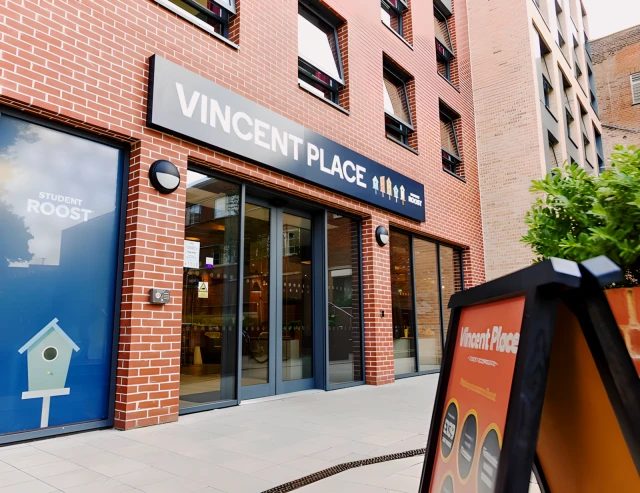
Rental prices in Graz have remained relatively stable compared to other European student cities. The following bands are indicative—confirm with the operator.
- Economy (€350–€450 per month, all-inclusive): Room in a shared apartment (WG) in neighbourhoods such as Lend, Gries, or parts of Geidorf. Often older buildings with basic furnishings. Typical for first-year students.
- Standard (€450–€600 per month): Private room in a student residence (dormitory) or a newer WG closer to the university. Includes internet and utilities. Many residences offer furnished rooms with communal kitchens and bathrooms.
- Premium (€600–€800 per month): Studio apartment or small one-bedroom in a central location. Higher-end student residences with private bathrooms and kitchenettes. Also possible in renovated Altbau apartments near the main square.
- Luxury (above €800 per month): Large one-bedroom or two-bedroom shared apartment in the historic centre or Geidorf. Not typical for most students.
Prices should always be confirmed directly with the housing provider before signing any contract, as they may change between semesters.
Walk vs Transit Trade-Off
One of the strongest advantages of Karl-Franzens-Universität Graz is its central location. The main university building at Universitätsplatz is within a 5–15 minute walk from most neighbourhoods in the inner ring. If you choose accommodation in Geidorf (north of the city centre), you can reach the campus in under 10 minutes on foot. This eliminates the need for a transport pass, saving you both money and time.
However, more affordable housing is often found in districts like Gries or Lend, which are a 20–30 minute walk or a 10–15 minute tram ride away. If you opt for a cheaper WG in Gries, you will need a tram or bike. The trade-off is clear: walking saves roughly €190 per year (semester ticket cost) but limits your options to pricier central flats; transit passes allow you to access lower rents in the periphery, which may offset the ticket cost after a few months.
For students who enjoy cycling, a used bicycle can be bought for €100–€150 and covers the same distance as transit, with no monthly fee.
Shortlist Logic: Choosing Where to Live
Because the university is at the heart of the city, the logic for selecting accommodation is straightforward:
-
Prioritise walking distance if your budget allows. Look for an apartment in Geidorf or the northern part of Innere Stadt. You will pay €50–€100 extra per month compared to a room in Lend, but you will save transit time and fare. If you can spend €500–€600, a shared flat in Geidorf is realistic.
-
Consider student residences near the university. Graz has several dormitories run by private operators and student welfare organisations. Due to the university’s location, many are within 15 minutes by bike or tram. These often include all bills and internet, simplifying budgeting. Waitlists can be long; apply as early as possible—ideally in November or December of the prior year for a winter semester start.
-
Check the tram lines 1, 3, and 6. These lines run from the south and west into the city centre. Apartments along these routes in Gries, Lend, and parts of Eggenberg offer lower rents (€350–€450) while keeping the commute under 20 minutes. This is the most common compromise for students on a tight budget.
-
Avoid scattered suburbs unless you have a bike or car. Neighbourhoods like Andritz or St. Peter are farther (30–40 minutes by bus). While cheaper, the daily commute eats into study and leisure time. Only choose them if you have reliable transport and a very limited housing budget.
-
Never book sight unseen without a video tour. The review about the painful application process highlights the risk of misalignment between university timelines and housing deadlines. Some landlords may ask for a deposit before you receive admission confirmation. Protect yourself by using secure platforms and insisting on a contract that allows cancellation if your visa or admission is denied.
Frequently Asked Questions
Q: When should I start looking for housing in Graz for the 2026/2027 academic year?
A: For winter semester (starting October), begin your search in May or June. Many student residences release rooms for the new academic year in early summer. If you wait until August, most affordable rooms will be gone. For summer semester (starting March), start in November. Given the university’s slow application processing (as reported in reviews), it is safer to apply for housing after you have received a confirmation of enrolment—but also have a backup plan, such as short-term accommodation for the first month.
Q: How much should I expect to pay for a room in a shared apartment walking distance to the university?
A: In Geidorf or Innere Stadt, a typical WG room costs €450–€600 per month (indicative—confirm with the operator). This usually includes heating, water, and internet, but electricity may be separate. You will share a kitchen and bathroom with 2–4 other tenants. Rooms in older buildings with lower rent are possible if you accept a longer walk (15–20 minutes).
Q: Are there any specific documents I need from the university to rent a room?
A: Most landlords and residence operators require proof of enrolment or at least an acceptance letter. Since the application processing can take months (as one reviewer experienced), ask the housing provider if you can provisionally reserve a room with a conditional contract (e.g., subject to final admission). Some student residences allow you to book with a deposit that is refundable if your admission falls through. Always read the cancellation policy carefully.
Data as of March 2026. All prices are indicative and should be confirmed directly with the operator before making any financial commitment.
See also: listing details · browse more