Living near Humboldt-Universität zu Berlin: what the reviews and city data tell you
Campus reviews: historic grandeur, high academic standards, and a touch of bureaucracy
Google reviews give Humboldt-Universität zu Berlin an average rating of 4.5 out of 5, based on 1,218 reviews. The university’s main building on Unter den Linden – a 18th century palace-like structure – consistently impresses visitors and students alike. Rami Inkheili gives it a 5-star review, writing: “Full of history and deeply rooted traditions. The main building and the law school building give you a sense of the early to late 18th century. Very beautiful architecture and the academic life, extracurricular activities, and research outputs are of high standards. I really loved it.”
Abu Noman Mohammad Atahar Ali also gives 5 stars, noting the university’s Nobel laureate heritage: “Visited HU Berlin, and wow—what a place! One of the world’s top universities, it’s been home to 29 Nobel laureates, and Albert Einstein taught and worked here from 1915 to 1928. Walking through its historic halls feels like stepping into a piece of intellectual history. A must-visit for anyone curio…”
Current students add nuance. Mahnaz Rostamzadeh (5 stars) observes: “Humboldt University of Berlin is a historic and prestigious institution with a strong academic reputation. The buildings are beautiful and located in the heart of the city. Courses are intellectually challenging and professors are knowledgeable. Sometimes administration can be slow, but overall it’s…” Aidana Satybaldieva (5 stars) highlights practical aspects: “Cool professor staff and interesting courses, German language course is one of the best ones and really cheap. Many workshops dedicated to leadership and wellbeing.”
These reviews point to a central, attractive campus that is both intellectually stimulating and beautifully situated. The occasional administrative delay is a common trade-off at large public universities. For anyone looking for student housing in Berlin, understanding the city’s rental market is the next step.
Berlin context: a student city with a competitive rental market
Berlin is Germany’s largest city and a major European hub for culture, technology, and higher education. The city is home to over 200,000 students across multiple universities. Humboldt‑Universität’s main campus sits at Unter den Linden 6, in the historic Mitte district – the very heart of Berlin. This location gives students immediate access to museums, parks, restaurants, and public transport interchanges.
Rental demand in Berlin has been high for years. While the city still offers more affordable options compared to Munich or Frankfurt, prices have risen steadily. As of 2026, the average rent for a room in a shared flat (WG) in central districts can range from €500–€800 per month. For a studio or one-bedroom apartment, expect €700–€1,200 or more.
The platform you are reading lists 97 available student‑housing options in Berlin, with a starting price of €440 per month (indicative — confirm with the operator). That €440 figure is on the lower end, often for a room in a shared apartment or a basic single room in a residence hall further from the centre. At the upper end, apartments in prime Mitte locations can exceed €1,000 per month.
Budget bands (indicative — confirm with the operator)
When searching for housing near Humboldt‑Universität, you can roughly divide your budget into three tiers. All prices are indicative and should be confirmed with the operator before booking.
-
€440–€600 per month – Shared rooms or small single rooms in residence halls or private flats. These are often in neighbourhoods such as Wedding, Moabit, Neukölln, or parts of Friedrichshain. Commutes to Mitte can take 20–40 minutes by public transport.
-
€600–€800 per month – A decent room in a shared flat (WG) in central districts like Mitte itself, Prenzlauer Berg, Kreuzberg, or Schöneberg. You may also find small studios at the upper end of this band in slightly less central areas. Travel time to campus is typically 10–25 minutes.
-
€800+ per month – Private studios or one‑bedroom apartments in central neighbourhoods. These options give you maximum independence and proximity to the university, but come at a higher cost. Many of the listed residences at Friedrichstrasse or near central transit hubs fall into this bracket.
It is important to note that Berlin has a regulated rental market, but short‑term student housing (especially on private platforms) often follows market rates. Always verify the final price, deposit, and contract terms with the operator.
Walk vs. transit trade‑off
Humboldt‑Universität’s main building is located directly on the U‑Bahn line U5 (station: Museumsinsel) and within walking distance to S‑Bahn stations Friedrichstrasse and Hackescher Markt. Many bus and tram lines also serve the area. This means you can live almost anywhere in Berlin and reach campus within 45 minutes by public transport.
-
Walking distance (0–1.5 km) – If you live in Mitte, near the Spree or around Oranienburger Strasse, you can walk to campus in 10–20 minutes. Rent is generally higher, but you save time and monthly transport costs. The trade‑off is a tighter budget for other living expenses.
-
Short transit hop (15–25 minutes) – Neighbourhoods like Prenzlauer Berg, Friedrichshain, Kreuzberg, and parts of Schöneberg offer a more affordable rent while keeping commutes reasonable. You will use a U‑Bahn or S‑Bahn line directly to Friedrichstrasse or Hackescher Markt.
-
Longer commute (30–45+ minutes) – Outer districts such as Wedding, Moabit, Neukölln, Lichtenberg, or Spandau can bring rent down to the €440–€500 level. The trade‑off is extra travel time, less spontaneous access to campus facilities, and reliance on public transport schedules, especially late at night.
Which option works best for you depends on your priorities: if you value time and convenience, live closer; if you need to keep costs low, an outer district with a reliable transit connection can be a sensible choice.
Shortlist logic using the given nearby residences
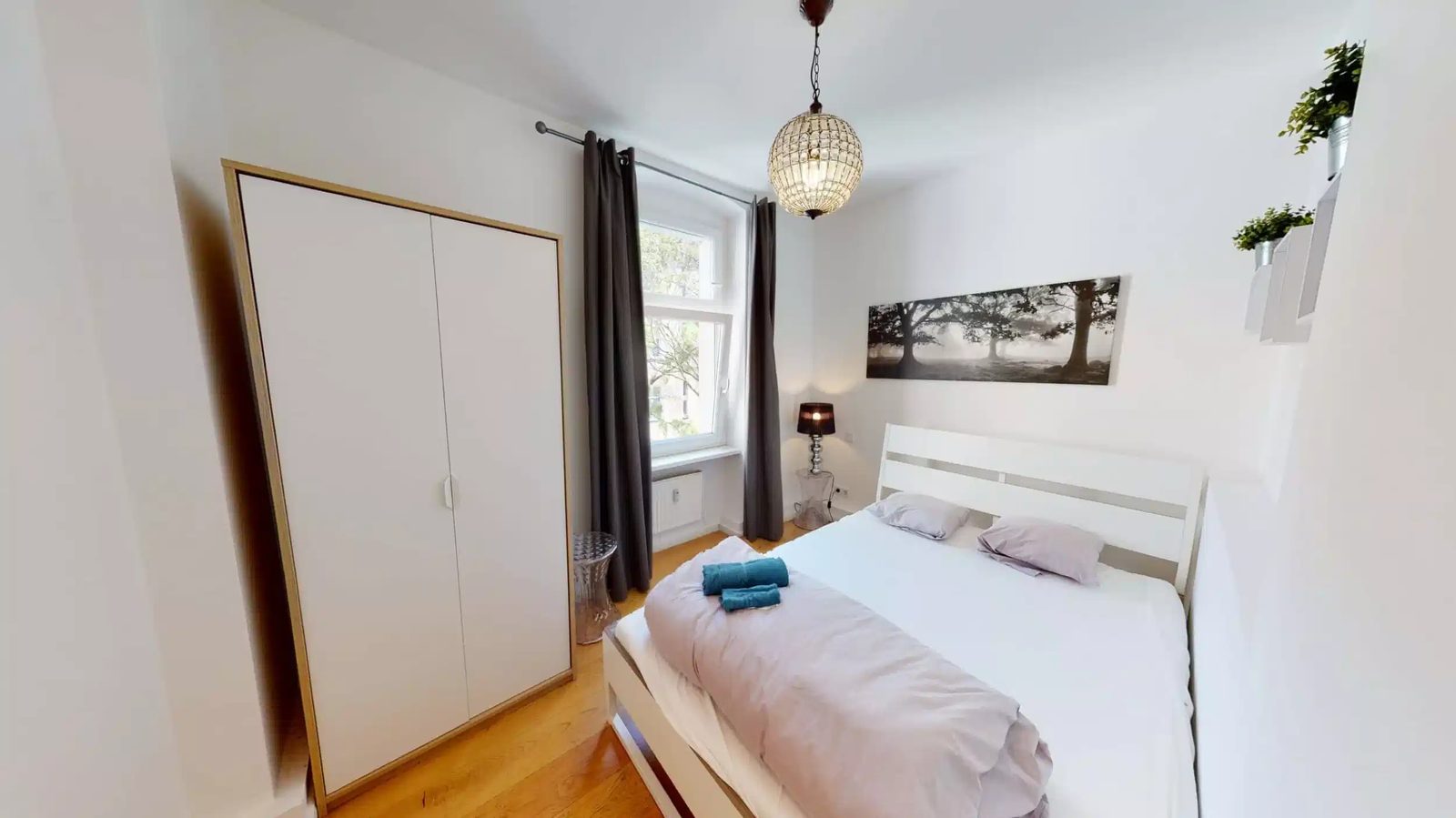
The platform’s sample listings include five addresses within Berlin. None of these are official residence hall names; they appear to be building references or short codes. Here is how you might evaluate them when building your shortlist.
-
Nazarethkirchstraße 51 – Located in the Gesundbrunnen area (a sub‑district of Wedding). This is a more budget‑friendly neighbourhood, close to U‑Bahn station Gesundbrunnen (U8, S‑Bahn ring). Travel to Humboldt’s main building: about 20 minutes by train (U8 to Alexanderplatz, change to U5 or walk). Rent is likely in the lower to mid‑range. Good for students who prioritise affordability and don’t mind a moderate commute.
-
HAB 10557 – “HAB” could stand for a building/residence code in the 10557 postcode, which covers parts of Mitte (close to Tiergarten and Hauptbahnhof). This location is very central – walking distance to campus (approx. 10–15 minutes) or a short tram ride. Rent will be higher, likely €700+. Suitable for those who want to be in the heart of Berlin and value a short walk to class.
-
UNP 10557 – Another code in the same postcode area. Possibly a different building within Mitte. Same central advantages and likely similar rent level. Consider this if the specific building offers better amenities or contract terms than HAB.
-
Friedrichstrasse 63 – Friedrichstrasse is a major north‑south street in Mitte, famous for shopping, dining, and transport links (S‑Bahn and U‑Bahn at Friedrichstrasse station). This address is extremely central. Walk to Humboldt in under 10 minutes. Rent will be at the higher end (€800+). Ideal for students who want zero commute and the convenience of the city centre.
-
Hohenzollerndamm 58 – This street runs through Wilmersdorf, a more residential district in western Berlin. It’s near U‑Bahn stations such as Fehrbelliner Platz or Hohenzollernplatz (U3, U7, U9). Travel time to campus: around 25–30 minutes (U9 to Osloer Strasse, change to U8, or similar). Rent is typically in the mid‑range (€550–€700). A good compromise if you prefer a quieter neighbourhood but still want a reasonable commute.
How to build your shortlist
- First, decide your max rent and acceptable commute time.
- For a tight budget (€440–€550), look at Nazarethkirchstrasse 51 and similar listings in Wedding, Moabit, or Neukölln.
- For a mid‑range budget (€550–€700) and a quiet residential setting, Hohenzollerndamm 58 is a strong candidate.
- For convenience and a short walk to campus, consider HAB, UNP, or Friedrichstrasse 63, but be prepared to pay €700+.
Remember to always confirm availability, contract length, and any additional costs (utilities, deposit) with the operator. The addresses given are indicators of location type, not exact current vacancies.
Frequently asked questions
Q1: Is it safe to live near Humboldt‑Universität, especially in central Mitte?
Yes, central Berlin is generally safe. Like any major city, you should take standard precautions (lock your bike, don’t leave valuables unattended). The area around Unter den Linden is busy with tourists and police presence. Student residences in Mitte have good security. Lower‑priced outer districts like Wedding and Neukölln have higher diversity but also some areas where you should be alert at night; overall crime rates are moderate.
Q2: How do I find a room for €440 per month near Humboldt?
Rooms at that price exist but are typically shared flats (WG) or basic single rooms in older buildings in districts like Wedding, Moabit, Lichtenberg, or Neukölln. Check the platform for listings under €500, then filter by distance to campus. Be prepared to accept a commute of 30–40 minutes. Always confirm the rent is inclusive of utilities (warm rent) and that the deposit is reasonable.
Q3: Is it better to walk or take public transport from these sample addresses?
- From Friedrichstrasse 63: walking (under 10 min) is the best option.
- From HAB or UNP (Mitte): walking (10–15 min) or tram/bus for shorter journeys.
- From Nazarethkirchstrasse 51: public transport (U‑Bahn + S‑Bahn) is needed; no practical walking.
- From Hohenzollerndamm 58: take U9 or U7, then change; walking is not feasible (over 6 km).
Use the BVG (Berlin public transport) app to plan your specific route. A student semester ticket covers all public transport in Berlin for a flat fee (around €200 per semester as of 2026) and is highly recommended if you live outside walking distance.
Data date: 2026–2027
See also: listing details · browse more