Campus Life and Student Reviews
Ghent University holds a QS World University rank of 162 (2026) and is located at Sint-Pietersnieuwstraat 33 in the heart of Ghent, Belgium. With a Google rating of 4.4 from 639 reviews, student experiences vary considerably. Glowing comments highlight the beauty of the campuses and the city’s character. One five‑star reviewer, Jho Celero, noted: “Beautiful university. I went to Boukatoren and Aula campuses for a conference recently and enjoyed my morning walks… the Aula Academica has a marvelous architecture, and worth a visit.” The same reviewer added, “the way the rooms are numbered (0.1, .1.2) can be confusing and unique,” which is a practical heads‑up for new students navigating lecture halls.
Negative reviews focus on specific academic programmes and interpersonal experiences. Kevin Dreader gave a one‑star rating, warning international engineering master’s students: “The curriculum is designed in such a way that is incredibly hostile towards anyone who did not do their bachelors in belgium.” Another one‑star review from Minh Nguyen described a disappointing encounter with a master’s student in plant sciences. These contrasting views remind prospective students that experiences can differ by faculty – it is wise to research your specific department thoroughly before choosing housing or enrolling.
On a broader note, reviewer Andreea Iordănescu summed up the city atmosphere: “It is always a pleasure to visit Gent, a full of life and history city.” Ghent’s historic centre, canals, and vibrant student population make it a desirable place to live. The university’s main buildings are scattered around the city, so housing decisions should factor in which campus you will use most frequently.
City Context and Budget Bands
Ghent is a mid‑sized Belgian city with a large student community – around 70,000 students in total. The city is compact and bike‑friendly, and public transport (trams, buses) covers most areas. Living costs are moderate compared to Brussels or Antwerp, though rents have risen in recent years.
The following indicative monthly rent bands (2026 – confirm with the operator) apply to typical student accommodation near Ghent University’s main campus at Sint‑Pietersnieuwstraat:
- Shared room in a student house – €400 to €600 per month (utilities often included)
- Private studio or one‑bedroom apartment – €650 to €950 per month
- Larger apartment (2‑3 bedrooms) shared with flatmates – €300 to €550 per person per month
- Purpose‑built student residence (koten) – €450 to €750 per month depending on size and facilities
All figures are indicative – always verify the final rent with the landlord or operator. Many contracts in Ghent are for a fixed academic year (September to August), and some include an indexation clause. Budget an extra €50–€100 per month for electricity, heating, internet, and local taxes if not included in the rent.
Walk versus Transit Trade‑off
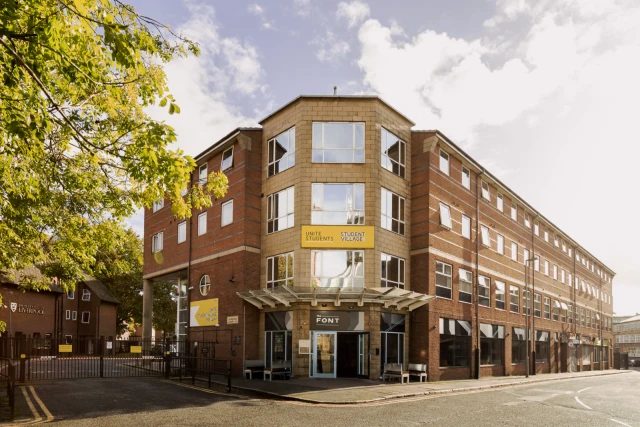
Ghent University’s main campus (Boukatoren, Aula, campus Sterre, etc.) is located within a 2‑km radius of the city centre. For most students, walking or cycling is the fastest and cheapest option.
-
Walking: A 15‑ to 25‑minute walk covers the distance from the central station (Gent‑Sint‑Pieters) to the Aula. If you live in the neighbourhoods of Oud‑Gent, Rabot, or the Stationsbuurt, you can reach most university buildings on foot in 10–20 minutes. This saves monthly transport costs (€0).
-
Cycling: Ghent is flat and has dedicated bike lanes. Bikes are cheap (second‑hand €100–€200) and many student residences offer secure parking. Cycling from the outskirts (e.g., Sint‑Amandsberg, Ledeberg) takes 15–25 minutes.
-
Public transport: Trams and buses run frequently, but tickets cost about €3 per ride or €35–€50 for a monthly pass. Living further out (e.g., Gentbrugge, Mariakerke) reduces rent by 15–25% but adds 20–30 minutes commuting time. For the 2026 academic year, many students choose to live within the city ring for convenience, despite slightly higher rent.
Trade‑off summary: If your budget is tight (under €500), look at neighbourhoods like Brugse Poort or Bloemekenswijk – they are a 25‑minute walk or 10‑minute cycle to campus. If you prefer shorter walks and don’t mind paying €600–€800, focus on the area between Sint‑Pietersplein and the city centre (Zuid, Patershol).
Shortlist Logic for Student Housing
When building a shortlist of residences, consider these factors in order of priority:
-
Campus location: Determine which faculty you belong to. Science, engineering, and arts are scattered; the main address (Sint‑Pietersnieuwstraat 33) is near the Aula and central buildings. Check your class schedule before signing a lease.
-
Budget and included utilities: Always ask what is included (water, electricity, heating, internet). Some student houses charge a flat rate; others use meters. Confirm the “indicative” price and any deposit (usually 2–3 months’ rent).
-
Lease type and duration: Many private landlords require a 12‑month contract. Student residences (koten) often offer 9‑month academic‑year contracts. If you plan to stay over summer, negotiate in advance.
-
Shared facilities: Shared houses may have 3–10 flatmates. Check kitchen size, number of bathrooms, laundry access, and common areas. Noise levels vary – visit in person if possible.
-
Transport links: Check tram/bus stops within 500 metres. The lines 1, 4, 7, and 21/22 connect the main campus areas. A 10‑minute walk to a tram stop is acceptable; longer walks may feel inconvenient in rain.
-
Supermarket and daily needs: A small grocery store (Carrefour Express, Delhaize) within 5 minutes walking saves time. Ghent’s city centre has ample shops, but outer neighbourhoods may require a short bike ride.
-
Safety and quietness: Read recent reviews (not just overall ratings). Areas near Overpoortstraat are lively at night; the Stationsbuurt is convenient but can feel less safe late at night. The Coupure and Kouter areas are quieter.
Sample shortlist approach: Start with your maximum rent (e.g., €600). Filter to neighbourhoods within 20 minutes’ walk of the Aula. Then check contract duration (September–June or full year). Finally, look at Google reviews of specific residences if available, and ask current students on campus. Avoid signing any contract without viewing the room or unit in person.
Frequently Asked Questions
What is the average rent near Ghent University in 2026?
Indicative rents for a shared room range from €400 to €600 per month, while a private studio costs between €650 and €950. These figures are indicative – confirm with the operator before committing. Prices vary by neighbourhood and amenities.
Is it better to live close to campus or further out to save money?
If you value time and convenience, living within a 15‑minute walk of Sint‑Pietersnieuwstraat is recommended. Rent in outer districts (e.g., Mariakerke, Sint‑Amandsberg) may be 15–25% lower, but commuting by bike or tram adds 15–30 minutes each way. For the 2026 academic year, many international students find the trade‑off worthwhile if they are on a tight budget.
What should I look for in a rental contract in Ghent?
Check: the fixed monthly rent (indicative), whether utilities are included, contract duration (9 or 12 months), notice period, deposit amount (usually 2–3 months), and any indexation clause. Ask if the unit has a valid “kot” registration – this may affect your eligibility for housing allowance or registration with the city. Always request a written contract in Dutch or English and keep a signed copy.
Data as of 2026. All prices are indicative – confirm with the operator.
See also: listing details · browse more