Housing Near Eötvös Loránd University: What Campus Reviews Reveal and How to Find Your Place
Eötvös Loránd University (ELTE) sits in the heart of Budapest, at Egyetem tér 1-3. As Hungary’s oldest and one of its largest public research universities (founded 1635, QS global rank 584), it draws students from across Europe and beyond. The campus is compact and walkable, embedded in the historic city centre. Student reviews paint a mixed picture: academic strengths are praised, but administrative hiccups can arise. This guide looks at what those reviews tell you about daily life, the broader Budapest housing landscape, budget brackets, the walk-versus-transit trade-off, and a logical shortlist approach to finding accommodation near ELTE.
What Campus Reviews Reveal About Student Life
Google reviews (4.6 stars from 507 ratings) highlight both the university’s prestige and practical realities. One student, Ishan, notes:
“Eötvös Loránd University is a Hungarian public research university based in Budapest. Founded in 1635, ELTE is one of the largest and most prestigious public higher education institutions in Hungary. The Tuition fees at Eötvös Loránd University (ELTE) start as low as €3,200 first year fee per year.”
This indicates that, for a research university in the EU, tuition is relatively accessible. For housing, the implication is clear: if you’re paying €3,200/year in tuition, your accommodation budget should ideally stay balanced. Raquel Fernandez adds:
“ELTE is a good university in the centre of Budapest. Some of their professors come with a world-class background.”
Being “in the centre” means most teaching buildings, libraries, and student hubs are within a 15-minute walk or a short tram/metro ride from many housing options. However, not all experiences are smooth. Hamid Ali warns:
“I can’t say anything about the academic environment, but the finance department is absolutely shitty. They are keep delaying my tuition fee refund.”
While this is about tuition administration, it reminds students to keep a buffer for upfront costs and to communicate directly with the university’s finance office for any deposit or fee-related issues. Finally, Abdulkareem Alshameeri describes a nearby landmark:
“The Open Book Fountain is a unique modern landmark located in Egyetem Square, right in front of Eötvös Loránd University.”
The “Open Book Fountain” at Egyetem tér is a popular meeting point and a visual anchor when you’re scouting apartments. Knowing that your university square has a distinctive fountain helps you orient your housing search.
City Context: Budapest and Student Living
Budapest is split by the Danube into Buda (west, hilly, quieter) and Pest (east, flat, bustling). ELTE’s main campus is on the Pest side, in District V (Belváros), the historic centre. This district is dense with cafes, shops, public transport hubs, and cultural venues. It’s also one of the more expensive areas for housing, though still affordable compared to Western European capitals.
Public transport in Budapest is extensive and student-friendly: metro lines M1, M2, M3, and M4 criss-cross the city, plus trams (lines 2, 4, 6, 47, 49) and buses. A monthly student travel pass costs around €10–15 (indicative — confirm with the operator). Many students also cycle; the city has bike lanes and a shared-bike system (MOL Bubi).
Neighbourhoods near ELTE:
- District V (Belváros): Directly around the university. Premium convenience but higher rent.
- District VII (Erzsébetváros): The Jewish Quarter, lively nightlife, still central, moderate prices.
- District VIII (Józsefváros): Home to other university campuses (Corvinus, Semmelweis). Slightly less central, more student houses, lower rent.
- District IX (Ferencváros): Near the Danube, developing area, good tram connections to ELTE.
- Buda side (Districts I, II, XI): Quieter, green, but require crossing the river via Metro or tram. Commute time 20–30 minutes.
Budget Bands
No specific housing prices were provided in the review data. Based on typical student experiences in Budapest (indicative — confirm with the operator):
- Economy (shared rooms): €200–350/month per person. Common in District VIII or IX shared flats with 3–4 bedrooms.
- Mid-range (private room in shared flat or small studio): €350–600/month. Available in District V, VII, or near M3 metro stations.
- Premium (one-bedroom apartment or modern studio): €600–900/month. Located in renovated buildings in District V or Buda hills.
Utility costs (electricity, gas, internet) add €50–100/month. Many landlords require a deposit of two months’ rent. Always confirm exact figures with the operator before signing.
Walk vs. Transit: Trade-Offs
Walking: Living in District V or VII means you can be at ELTE’s main building in 10–15 minutes on foot. This saves time and monthly travel costs. The trade-off is higher rent and possibly smaller rooms in older buildings (no lift, high ceilings). Students who prioritise lectures, libraries, and spontaneous meet-ups tend to choose walking distance.
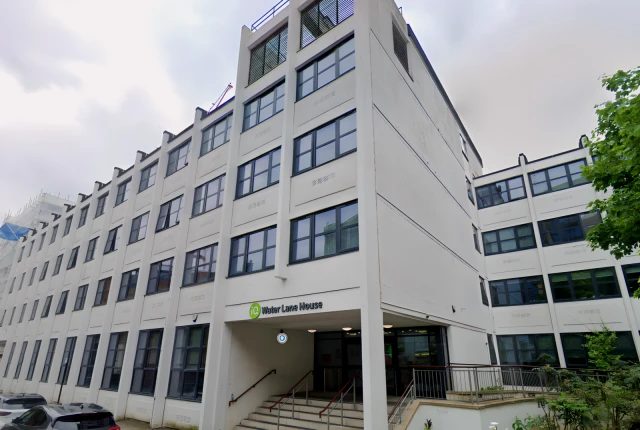
Transit: If you live in District VIII, IX, or Buda, a metro/tram ride takes 15–25 minutes. Rent is often 20–30% lower. A monthly student pass covers unlimited travel. The downside: early morning or late evening lectures may require checking schedules, and you lose the casual campus vibe. However, you gain a larger living space, quieter environment, and sometimes a balcony or green views.
Bicycle: A hybrid option. Budapest is cycle-friendly in central Pest. A 20-minute bike ride can connect Districts IX or VII with ELTE, using bike lanes along the Danube or through Károly körút.
Shortlist Logic: How to Choose Among Nearby Residences
Since no specific residence names were provided in the data, the logic below applies to any housing search near ELTE. Use these criteria to build your shortlist:
-
Maximum commute time: Decide: are you willing to walk 30 minutes each way, or prefer 15 minutes? For walkers, filter apartments within 1.5 km of Egyetem tér. For transit users, look within a 20-minute door-to-door range (including walk to stop).
-
Budget anchor: Align your rent with your total monthly living costs (tuition + rent + food + transport). ELTE tuition is about €270/month if averaged over 12 months. Keep rent below 40–50% of your total student budget (indicative — confirm with operator).
-
Proximity to amenities: Supermarkets (Spar, Aldi), laundry, and public transport stops matter. Check Google Maps for a 10-minute radius.
-
Noise vs. peace: Central Pest (District V, VII) is busy late into the night. District VIII (Palotanegyed area) is quieter. Buda side (District XI) is residential and green.
-
Contract clarity: Read the lease carefully. Ask about utility caps, deposit return policies, and notice periods. Given Hamid Ali’s review about a delayed refund, ensure your housing provider has clear refund terms.
-
Student-specific vs. private: Some residences cater exclusively to students (shared kitchens, laundry, events). Private flats offer more freedom but less community. Choose based on your social preferences.
If you are searching online, use filters for “within 1 km of ELTE” and sort by price per square metre. Contact at least three options to compare availability and terms. Never pay a deposit before seeing the room virtually or in person.
Frequently Asked Questions
1. When should I start looking for housing for the 2026/2027 academic year?
Start your search 2–3 months before the semester begins. For courses starting in September 2026, begin looking in June 2026. Some private landlords list flats only 4–6 weeks ahead. University-affiliated dormitories (if available) may have earlier deadlines – check ELTE’s international office for 2026 details. If you plan to arrive in 2027 (e.g., spring intake), start searching by November 2026.
2. Is it cheaper to live in a student dormitory or a private flat?
Dormitory rents (where offered) are typically €150–300/month (indicative — confirm with the operator). Private shared flats range from €250–450/month for a room. Dormitories often include utilities and internet, while private flats may require separate bills. However, dormitory availability near ELTE is limited; many students opt for private rentals. Compare total monthly cost (rent + utilities + internet) when deciding.
3. How reliable is public transport for late-night study sessions?
Most metro lines run until around 11:30 PM, and night buses (lines 901–937) operate 24/7 along major routes. Tram line 6 runs 24 hours. For late nights on campus, walking home in central Pest is generally safe, but if your accommodation is in District VIII or Buda, check the nearest night bus stop. A student travel pass covers all night services.
Data as of early 2026. All prices are indicative — confirm with the operator.
See also: listing details · browse more