Campus Reviews: What Students Say
Chung-Ang University’s campus in Heukseok-dong leaves a strong impression on visitors. The 4.6 Google rating from 749 reviews reflects a consistently positive experience. Students and visitors often mention the compact size, beautiful landscape, and convenient surroundings.
“I visited this school on a cold winter day. The campus was smaller than I thought, but it was still fun to walk around—especially walking on the frozen lake (which I probably shouldn’t have done, but anyway 😆). Whenever I visit a university, I like to stop by the campus bookstore to buy a souvenir,” wrote Trân (5 stars, 4 months ago). That candid note highlights a compact but charming campus with a central lake — a landmark that changes with the seasons.
“Goes to there for an exchange for about 6 months. Very beautiful campus! Very convenient life facilities around the school. An unforgettable memory!” said Leo Lee (5 stars, 3 years ago). The mention of “convenient life facilities” is a recurring theme — the area is packed with restaurants, cafes, convenience stores, and small shops that cater to students.
“Chung Ang University is one of top and highest rank university in South Korea. Many study programmes are offered in level of undergraduate and postgradute (MS and Ph.D) level. One of the famous school is engineering,” wrote Sri Atmaja P. Rosyidi (5 stars, 6 years ago). This underscores the academic reputation — the university is ranked 479 in the QS World University Rankings, a solid position globally and especially strong in engineering and the arts.
“This campus is beyond beautiful to visit in the Spring! Such a lovely place to walk!” said Sandy Allen (5 stars, 5 years ago). Spring brings cherry blossoms and greenery, making the campus a pleasant place to walk between classes.
What these reviews collectively reveal: the campus is relatively small but walkable, the area is student-friendly with all daily necessities within steps, and the university holds a strong reputation. These factors directly influence where you should look for housing — proximity becomes a top priority when the campus itself is compact and the surrounding neighborhood is self-contained.
Seoul’s Heukseok-dong: A Quiet Academic Pocket
Chung-Ang University sits at 84 Heukseok-ro, in Dongjak District, Seoul. Heukseok-dong is a residential and educational area on the south side of the Han River, often described as calm and student-oriented. The neighborhood is dominated by the university campus, meaning the streets are lined with affordable eateries, PC bangs (internet cafes), study cafés, and small grocery stores. Compared to bustling student hubs like Hongdae or Sinchon, Heukseok-dong has a noticeably quieter, more study-focused atmosphere.
The area is well connected: Heukseok Station (Seoul Subway Line 9) sits just outside the main gate, and Sangdo Station (Line 7) is about a 10‑minute walk away. From Heukseok Station, you can reach central Seoul (e.g., Express Bus Terminal, Gangnam) in roughly 20–25 minutes. Line 9 is a relatively modern express line, so travel times are shorter than on older lines. The nearby Han River parks are also within walking or cycling distance, offering green space for exercise or relaxation.
For students, the key advantage of Heukseok-dong is that almost everything you need — housing, food, transport, and university facilities — exists within a 1‑kilometer radius. That self-sufficiency means you can avoid long commutes and spend more time on campus or studying.
Budget Bands for Student Housing
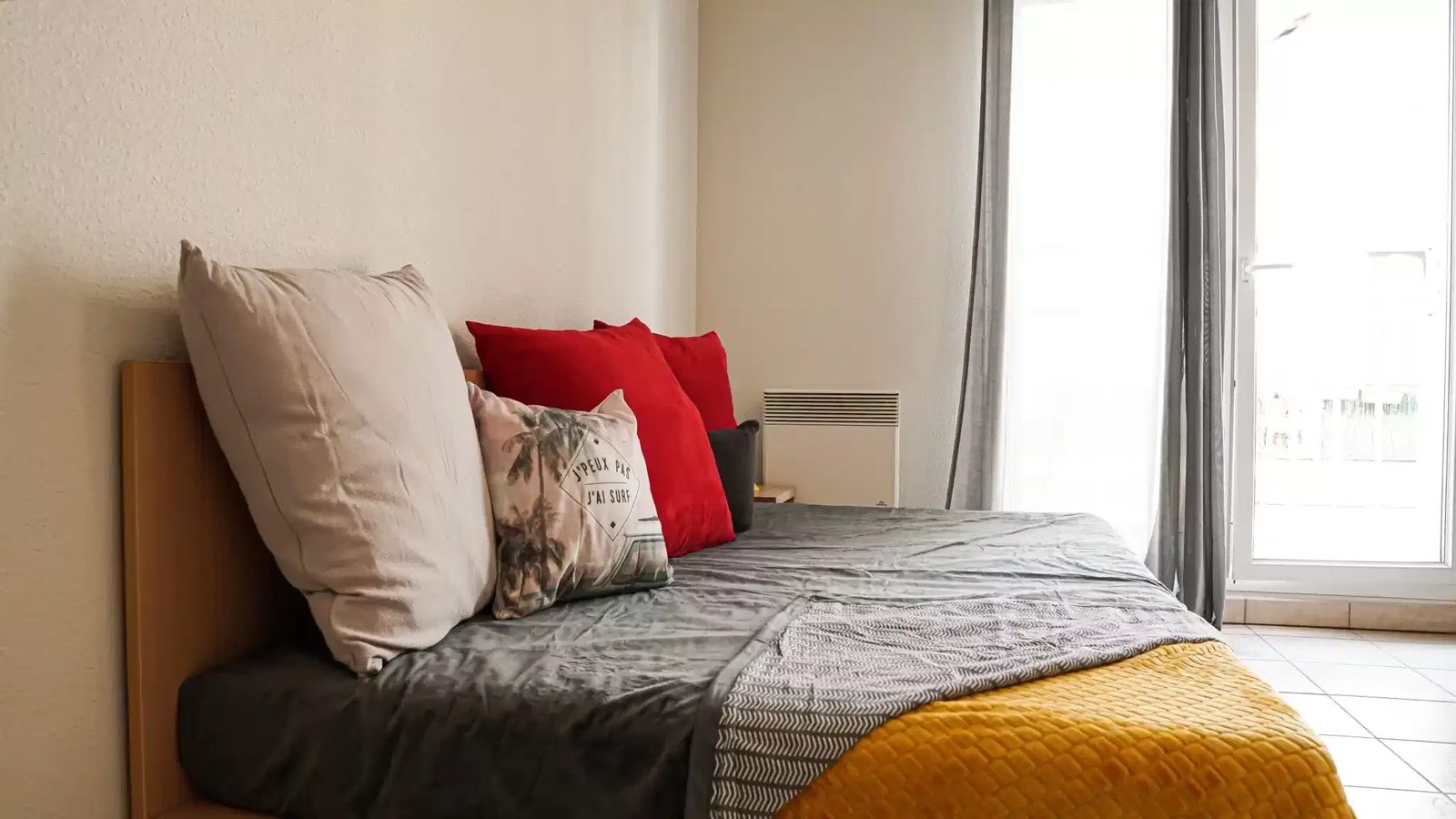
Housing costs in Heukseok-dong tend to be moderate compared to central Seoul, though they have been rising gradually. These are typical bands for student accommodation in the area (indicative — confirm with the operator):
- Goshiwon (single room with shared facilities): 300,000–500,000 KRW per month. The cheapest option, best for short stays or those who prioritize budget over space. Often includes basic utilities and sometimes meals.
- One‑room (studio with private bathroom and kitchenette): 500,000–800,000 KRW per month. The most common choice among international and graduate students. Requires a large deposit (usually 5–10 million KRW), though some operators offer deposit reduction schemes.
- Two‑room / share house (private room in a shared apartment): 400,000–650,000 KRW per month. A middle ground — more space than a goshiwon but lower deposit than a one‑room. Often includes utilities and Wi‑Fi.
- University dormitory: Approximately 400,000–600,000 KRW per semester (not per month). Due to high demand, priority is given to first‑year and international students. Applications open months before each semester.
For the 2027 academic year, expect prices to adjust with inflation. Always check if utilities (electricity, water, gas, internet) are included in the quoted rent — many goshiwon and share houses bundle them, while one‑rooms often bill separately.
Walk vs. Transit: Where to Prioritise
Given the compactness of both the campus and the surrounding neighborhood, walking is the most practical mode for daily life. Most classes, libraries, and department buildings are within a 5–10 minute walk from the nearest subway station or main gate. If you live within a 15‑minute walk from campus, you can easily get to class without any transit cost or time loss.
However, housing closer to campus tends to cost more per square meter, and availability may be lower because many properties are older. Expanding your search to a 20–30 minute walk (or a short bus/subway ride) opens up cheaper options in areas like Sindaebang (one stop away on Line 9) or Sadang (transfer station on Line 2 and 4). The trade-off is an extra 10–15 minutes of commute each way — still manageable.
If you plan to use the subway often (e.g., for part‑time jobs or exploring Seoul), living near Heukseok Station (Line 9) or Sangdo Station (Line 7) is wise. Line 9 connects to Gangnam and the airport, while Line 7 crosses the northern part of the city. A transit pass (T‑Money card) costs about 1,400 KRW per ride, and monthly unlimited passes are available for about 65,000 KRW.
For students who bring a bicycle, the Han River bike path runs parallel to the area, making it possible to cycle to nearby universities or parks. Note that Seoul has steep hills in certain parts of Dongjak District — test the route before you commit.
Shortlist Logic: What to Look For
When evaluating residences near Chung-Ang University, consider three criteria: distance to campus, deposit amount, and noise level.
-
Prioritise walking distance (under 15 minutes): The campus area is safe day and night, and walking saves time and money. Look for listings along Heukseok-ro or the side streets branching off it. Goshiwon and one‑rooms cluster around the back gate of the university.
-
Check the deposit structure: Korean rental culture requires large deposits (jeonse or monthly rent with high deposit). Many student-friendly goshiwon and share houses have lower deposits (500,000–2,000,000 KRW), making them more accessible. If you have limited funds, filter out one‑rooms that demand 10 million KRW or more.
-
Inspect noise and insulation: Older buildings in the area may have thin walls. Read reviews from previous tenants (if available online, though we cannot link to any platform). If possible, visit the residence during evening hours to hear street noise from nearby bars or traffic.
A practical shortlist approach: start with goshiwon on streets directly adjacent to the campus (e.g., near the main gate or the bus stop for the circular shuttle). If you need a private kitchen and bathroom, expand to one‑rooms on the same blocks. For cheaper options, move 2–3 subway stops away on Line 9 toward Noryangjin or the Line 7 corridor toward Daerim — but confirm the commute time during rush hour.
FAQ
How far is the campus from popular student neighborhoods like Hongdae or Gangnam?
From Heukseok Station to Hongdae (transferring at Express Bus Terminal) takes about 30 minutes by subway. To Gangnam Station, it’s about 20 minutes on Line 9 direct. Most students find these commutes acceptable for weekend outings, but daily travel to those areas for classes would be unnecessary unless you attend another university.
What is the average rent near Chung-Ang University for the 2027 academic year?
Indicative ranges: goshiwon 300,000–500,000 KRW/month; one‑room 500,000–800,000 KRW/month; share house 400,000–650,000 KRW/month. These are expected to rise slightly from 2026 levels. You must confirm exact pricing with the operator at the time of booking.
Is it better to live on campus or off campus?
On‑campus dormitories are cheaper per semester but have limited space and restrictive check‑in times. Off‑campus housing offers more independence and a wider range of price points. If you prefer a quiet study environment and don’t mind shared facilities, a goshiwon near campus can be a good middle ground. For longer stays (over one year), a one‑room offers stability.
Data as of 2026
See also: listing details · browse more