What Campus Reviews Reveal
Cairo University sits at 1 شارع الجامعة in the Oula district of Giza. With a Google rating of 4.5 from 309 reviews, it draws both praise and practical criticism from students. These comments offer direct insight into what living near the university might look like.
Reviewer Anas Saadah noted: “Beautiful insider, they keep you from entering if there are no lectures for you after 1 o’clock.” This campus policy means students without afternoon classes cannot stay on-site after early afternoon. A nearby place becomes more important if you finish lectures before 1 p.m. and want somewhere comfortable to go.
Abdul Esmail described the university as “one of the best and most prestigious universities in the Arab world and North Africa, with an old architectural style that combines science and tradition.” The area around the main campus reflects this heritage — streets are lined with older buildings and tree‑lined avenues. Housing options often include apartment blocks from the 1960s and 70s, which may lack modern amenities but can offer generous living space.
Sarah Halit wrote about her cross‑disciplinary plans: “I do not limit myself to studying only in History Department. I actually plan to take courses in the second‑to‑last year, a computer course, and in the final year a graphic course.” If you are also taking courses from different departments, you may need housing that gives you flexibility to move between faculty buildings across the large campus.
Atufa Faruqui highlighted a common frustration: “Admission process is so slow for international students!! They dont tell at once whatever is required. Education and professors are good but the admission process and documentation is horrible.” (Note: the double exclamation mark is from the original review; this article avoids additional exclamation marks.) Delays in admission paperwork can push back your move‑in date. Having accommodation that offers short‑term leases or flexible move‑in dates may help you avoid paying rent before your enrolment is confirmed.
The reviews together paint a picture of a traditional, respected university with firm campus rules and a bureaucratic admissions process. Your housing choice should account for the need to be off‑campus after 1 p.m. on idle days, the historic neighbourhood setting, and the uncertainty of international student timelines.
Cairo Student Life: The Local Context
Cairo University is in the Oula district of Giza, west of the Nile. This area is a mix of residential streets and small commercial strips. Many students live in the surrounding neighbourhoods of Mohandessin, Dokki, Agouza, and around the university itself. The streets are active during the day, but quieter in the evening compared to downtown Cairo.
Public transport includes the Cairo Metro (Line 2 runs near the university), public buses, and micro‑buses. The campus is about a 20‑minute walk from the Giza metro station, or a shorter ride on a local micro‑bus. Taxis and ride‑hailing apps are widely available but can be expensive by local standards if used daily.
Daily expenses for students: a simple meal at a local eatery costs around 40–70 EGP (indicative — confirm with the operator). A monthly budget for food, transport, and other basics might start at 2,500–4,000 EGP (indicative — confirm with the operator). Rent is usually the largest cost, and rates vary significantly depending on proximity to campus and building condition.
The university itself is set in a spacious campus with historic architecture. The surrounding streets have many small groceries, photocopy shops, and cafes that cater to students. The Giza Zoo and the Nile Corniche are within walking distance, offering green space for breaks. Because the campus is in Giza rather than central Cairo, the area feels less dense and slightly less noisy, though traffic on major roads can be heavy during rush hour.
Budget Bands for Student Housing
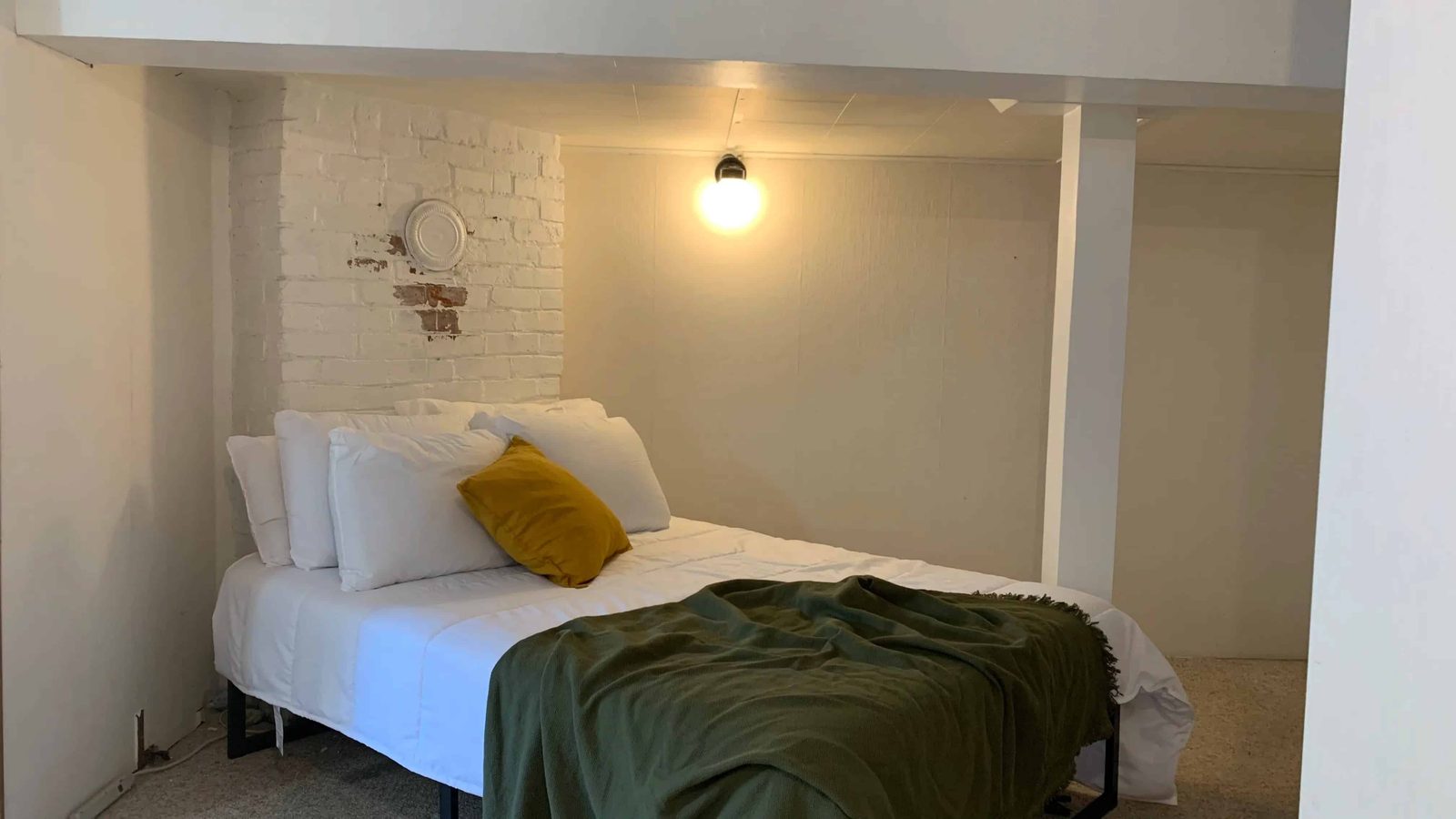
Rental prices near Cairo University are generally lower than in central Cairo or Zamalek, but they still vary by location and quality. The figures below are indicative — confirm with the operator before committing.
- Low budget (shared room or small room in a shared flat): 1,500–3,000 EGP per month. You would likely share a kitchen and bathroom with other students. Buildings in this range are often older and may have less reliable hot water or electricity.
- Mid budget (private room in a shared flat): 3,000–5,000 EGP per month. This typically gives you a separate bedroom in a larger apartment. The flat may be in a relatively newer building or one with better maintenance.
- High budget (studio or one‑bedroom apartment): 5,000–8,000 EGP per month. You get your own space and kitchen. Such units are more common in newer developments a short bus ride from campus, or in the more upscale parts of Mohandessin.
- Furnished or serviced apartments: 6,000–10,000 EGP per month (indicative — confirm with the operator). These come with furniture and sometimes utilities included. They are convenient for short stays but significantly more expensive.
Students on a tight budget should look for flatmates early. Many international students share a two‑bedroom flat in the Dokki area, paying around 2,500–3,500 EGP each (indicative — confirm with the operator). Utilities (electricity, water, gas, internet) add roughly 800–1,200 EGP per month per flat (indicative — confirm with the operator).
Walk vs Transit Trade‑Off
Walking from a nearby apartment to Cairo University is ideal for early‑morning classes, especially given the campus rule (from reviews) that you cannot stay after 1 p.m. without a lecture. If you live within a 10‑minute walk of the main gate, you can easily go back home between classes if you have a gap in your schedule.
However, apartments in the immediate vicinity of the university — particularly on شارع الجامعة itself — can be harder to find and slightly more expensive. The trade‑off is time saved vs cost. An apartment 15–20 minutes away by bus or metro might be 20–30% cheaper. But you also spend 40–60 minutes a day commuting, plus the cost of fares (around 5–10 EGP per ride for a public bus, or 15–25 EGP for a micro‑bus — indicative — confirm with the operator).
For students with late‑afternoon or evening classes, living further out can be practical if the bus route drops you directly in front of the campus. But once on campus, you cannot stay past 1 p.m. if you have no more classes that day, so a long commute for a single late lecture might not be worthwhile. It is more efficient to cluster your classes on fewer days and rent a place that allows you to stay nearby on long study days.
The metro is reliable for longer journeys, but the station is not immediately beside the main campus. Consider the total travel time (walk + wait + ride) when comparing options.
Shortlist Logic: Choosing a Place
When evaluating specific apartments or shared flats near Cairo University, apply a consistent shortlist logic based on the reviews and local conditions.
- Prioritise proximity to your faculty building. Cairo University covers a large area. The main entrance on شارع الجامعة serves most faculties, but some departments (e.g., Agriculture, Medicine) are on separate plots. Confirm which gate you will use most, and search within a 1‑km radius of that gate.
- Check the building’s condition against the “old architectural style” noted in reviews. Older apartments may have high ceilings and solid walls, but also older plumbing and wiring. Ask about recent maintenance.
- Confirm the lease flexibility. Because international students report a slow admission process, try to find a landlord who accepts a shorter notice period or a move‑in date that you can push back by a few weeks. Month‑to‑month contracts are rare but possible; three‑month or six‑month contracts are more common.
- Visit at the time of day you will most often use the apartment. The review about the 1 p.m. campus rule means you might be home during the afternoon. Check sunlight, noise, and ventilation at that hour. A ground‑floor flat on a busy street can be very loud.
- Factor in security. Oula and nearby districts are generally safe, but always check the main entrance of the building, street lighting, and whether there is a doorman (which most older buildings have). Ask current tenants about safety.
- Budget for transport and utilities. Even if the rent is low, a long bus ride adds time and money. Many shared flats in the Oula area include internet and basic maintenance in the rent; verify what is included.
A typical shortlist for a mid‑budget international student might be: three private rooms in shared flats in Dokki within a 15‑minute walk to the university, rent 3,000–4,000 EGP, all‑inclusive of utilities, with a three‑month contract. From these, choose the one with the strongest door and best water pressure.
Frequently Asked Questions
Is it possible to find short‑term housing near Cairo University?
Yes, but it requires more searching. Most landlords in the area prefer 6‑ or 12‑month contracts. Short‑term (1–3 months) stays are more common in furnished apartments or smaller studios, often priced higher — expect 6,000–9,000 EGP per month (indicative — confirm with the operator). Check online classifieds and university notice boards (physical or digital) for sublets from graduating students.
What neighbourhoods are best for a student on a low budget?
Areas like Oula itself, Imbaba (north of the university), and parts of Agouza offer lower rents. A shared room in Imbaba can cost 1,500–2,000 EGP per month (indicative — confirm with the operator). Keep in mind that commuting from these areas may take longer and the streets can be more congested. Visit the place in person before deciding.
How important is a metro station in daily student life?
The metro is essential for trips to downtown Cairo, but less so for daily campus life if you live in the immediate surroundings. Many students use micro‑buses for short trips (3–5 km). If you plan to explore Cairo often, living within 1 km of the Giza metro station gives you convenient access to Line 2. Otherwise, a cheaper flat near the university with bus connections may work better.
Data date: November 2026 — all prices are indicative and should be confirmed with the operator or landlord before any agreement.
See also: listing details · browse more