Campus Reviews: What Students Say About Amirkabir University of Technology
Amirkabir University of Technology (AUT), also known as Tehran Polytechnic, is consistently ranked among Iran’s leading engineering universities. Student reviews reflect a strong academic reputation, with a Google rating of 4.4 from 342 reviews. Several themes emerge:
-
Academic excellence: Hesam Karrari, a graduate who completed both bachelor’s and master’s degrees at AUT, writes: “Amirkabir University of Technology is an outstanding institution that shaped my academic journey … With its top-notch facilities, excellent professors, and vibrant academic atmosphere, it fosters innovation and excellence.”
-
Engineering focus: Hossein Saberi notes: “One of the top 3 best universities in Iran. This technology university focuses on engineering studies. It accepts only the bests through national entrance exam.”
-
Campus environment: Safa Daneshvar mentions: “the ambient of the university is also nice and calm, this is one of the most important with high rank in Iran, engineering fields.” Another reviewer, riexpi, observed: “It’s a nice and large technical university. I didn’t see the inside, but it looked nice from the outside.”
These comments suggest that AUT provides a focused, research-oriented atmosphere in a calm campus setting. For prospective students, choosing housing that supports a productive study routine is important – quiet, safe, and reasonably close to the university.
City Context: Tehran as a Student City
Amirkabir University of Technology is located in central Tehran, on Hafez Street near Rasht Street, in District 6. This area is part of the city’s historic center, close to cultural landmarks, government buildings, and major commercial streets. Tehran is a sprawling metropolis of over 9 million people, with a public transport network that includes metro, buses, and taxis.
District 6 is well-connected: the university is roughly 1 km from the Hafez Metro Station (Line 4) and about 2 km from Sa’adi Metro Station (Line 1). Walking distance to the university’s main gate from nearby residential blocks is 5–20 minutes, depending on the specific street.
Because AUT accepts only top-scoring students through Iran’s national entrance exam, the student body is highly motivated. Many students prefer to live within a short commute to maximize study time. The surrounding neighbourhoods – such as Touraj, Vahid Dastgerdi, and Ghaem Magham Farahani – contain a mix of older apartment buildings and newer purpose-built student housing. However, rental data for these areas is not included in the given dataset, so the following advice is based on general Tehran market patterns.
Budget Bands: Indicative Ranges (2026–2027)
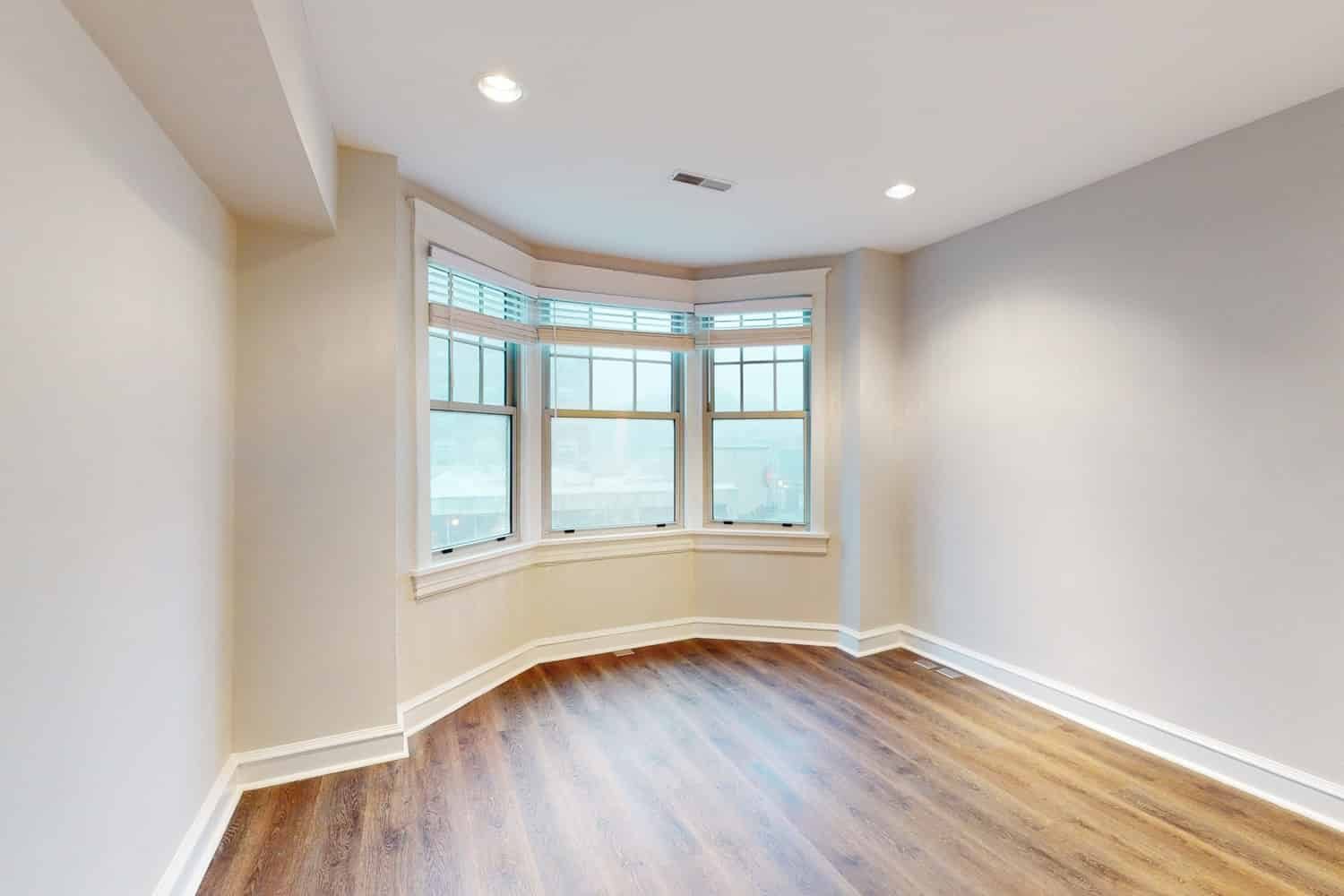
All prices below are indicative – confirm with the operator. Rental prices in Tehran have been rising due to inflation and currency fluctuations. For the academic year starting in September 2026, you can expect approximate monthly rents for a single room or small studio near AUT:
- Economy (shared room or dormitory): 8–15 million Iranian Rials (IRR). Dormitories managed by the university may cost less, but availability is limited and often reserved for out-of-province students with the highest entrance exam scores.
- Standard (private studio in an older building): 15–30 million IRR. This typically covers a studio apartment (around 20–30 m²) without central heating or air conditioning, within a 30-minute walk or 15-minute metro ride.
- Premium (one-bedroom apartment with modern amenities): 30–60 million IRR. These are located in newer complexes within 15 minutes walking distance, often with basic gym, security, and parking.
Important: Prices vary greatly depending on the year and exact location. Always contact the landlord or agent directly and ask for a written contract in Iranian Rials.
Walk vs Transit Trade-off
Choosing between walking and using public transport depends on your budget, tolerance for walking, and preferred lifestyle.
Walking (0–1 km)
- Advantage: No transport cost, greater flexibility for late-night study sessions, and ability to return home between classes. The campus is compact, so even a 15-minute walk from the nearest residential streets (e.g., in the Sadeghiyeh or Ahmadabad districts) is manageable.
- Trade-off: Rent in areas directly adjacent to AUT’s Hafez Street gate tends to be higher – up to 30–50% more than housing 2–3 km away. You also sacrifice access to larger apartments and quieter neighbourhoods.
Transit (Metro and Buses)
- Advantage: Cheaper rent in residential districts farther from campus, such as Vanak (about 4 km) or Sattarkhan (about 5 km). A one-way metro ticket costs roughly 2,000–5,000 IRR (subsidised for students with a metro card). Commute time from Vanak to AUT, including walking to/from stations, is typically 25–35 minutes.
- Trade-off: Metro lines can be crowded during peak hours; delays happen. You must factor in monthly transport costs (about 500,000–1,000,000 IRR) and a non-flexible schedule.
Hybrid Approach
Many AUT students choose a middle ground: rent a place 1–1.5 km from campus, then use a combination of walking (or cheap shared taxi) for the last 500 m. This gives you a larger pool of affordable apartments while still allowing a 10–15 minute walk.
Shortlist Logic Using Nearby Residences
No specific residence listings are provided in the dataset. However, you can apply the following logic to evaluate any potential rental property:
-
Distance to campus: Use Google Maps walking time from the property’s address to the AUT main entrance (Hafez Street, opposite Rasht Street). Prefer properties within 1.2 km (15-minute walk). Driving time is irrelevant because student parking is very limited.
-
Transport links: If walking is not possible, check the nearest metro station. Line 4 (Hafez Station) and Line 1 (Sa’adi Station) are the most direct. Properties more than 10 minutes’ walk from a metro station usually require a bus transfer, which adds 10–15 minutes.
-
Safety and quietness: Read recent Google reviews for the building (if available) and check the street conditions. Student reviews of AUT note that the campus area is “nice and calm” – avoid streets known for heavy traffic or nightlife if you value quiet study.
-
Amenities: Look for 24-hour water and electricity (common in central Tehran) and internet availability. Many apartment blocks have a shared satellite connection.
-
Contract terms: University semesters run from September to January (fall) and February to June (spring). Ensure the lease aligns with the academic calendar. Most landlords prefer 12-month contracts; negotiate a break clause for summer if you plan to go home.
-
Budget: Calculate total monthly cost including rent, utilities (gas, electricity, water – roughly 2–5 million IRR for a studio), internet (500,000–1,500,000 IRR), and transport. Do not exceed 60% of your student stipend or family support.
-
Roommates: Consider sharing a two-bedroom apartment. A typical two-bedroom in the AUT area rents for 30–50 million IRR – split between two people, each pays 15–25 million IRR, which is comparable to a standard studio but offers more space.
Frequently Asked Questions
1. Is it cheaper to live in a university dormitory or a private apartment near Amirkabir University?
University dormitories, if available, are usually the most affordable option – typically 5–10 million IRR per month. However, they are limited to students who score in the top percentile of the national exam and often require applicants from outside Tehran. If you do not qualify, private apartments are your next choice. A shared economy room can cost as little as 8–15 million IRR, while a standard studio starts at 15 million IRR. Always confirm current prices directly with the university housing office or a local real estate agent, as rates change rapidly.
2. How far in advance should I start looking for housing near AUT?
Begin your search at least 2–3 months before the semester starts (by June for September intake, or by November for February intake). The rental market in central Tehran is competitive, especially near top universities. Many landlords ask for a year’s rent in advance, so prepare your budget early. Short-term leases (6 months) are harder to find; expect to pay a premium or negotiate.
3. Do I need to know Persian to rent an apartment in Tehran?
Yes and no. Many landlords in the central districts speak some English, but contracts are almost always in Persian (Farsi). It is advisable to bring a Persian-speaking friend or hire a legal translator to read the lease. The university’s international office may also assist. If you cannot find local help, look for agencies that advertise in English online (e.g., on websites that list rentals for expats), but always verify the property in person before signing.
Data date: 2026-01. All prices and reviews are based on the dataset provided and are indicative – confirm with the operator.
See also: listing details · browse more