Housing Near Aarhus University: What Campus Reviews Reveal and How to Choose
Aarhus University, ranked 131st in the QS World University Rankings and located at Nordre Ringgade 1 in central Aarhus, serves around 38,000 students. The campus is known for its open park-like layout, but student experiences vary widely. For incoming students planning to arrive in 2026 or 2027, finding suitable housing requires understanding both the reviews from current students and the practical trade-offs of location, budget, and transport. This guide breaks down what campus reviews say, the local housing context, typical budget bands, walk versus transit choices, and a logic for shortlisting residences — all using the available data and without endorsing any specific operator.
What Campus Reviews Reveal: A Mixed Picture
Google Maps reviews (338 total, average rating 4.5 out of 5) offer a sharp contrast between positive and negative experiences. Quoting two satisfied students:
- Frank Yen (5 stars, 2 years ago): “Clean and organized campus. It’s like a park without fence surrendering and quite with no many people!”
- Shang William (5 stars, 2 years ago): “Great university both in education and scenery”
These comments highlight the campus environment — clean, green, and peaceful — which can be appealing for those who value a calm study atmosphere. However, two one-star reviews from international students (both Indian) paint a different picture:
- Snehitha Koganti (1 star, a year ago): “Worst University in the Denmark. Professors are not good. Teaching is not good . For international students( specially INDIANS) please don’t come over here for higher studies . I am writing with my experience. Exam pattern is one of the worst thing I ever saw . Full racism . Not friendly students to”
- Nimmagadda Pradeepkumar (1 star, a year ago): “If u want to be damage your health and wealth at same time please come to Aarhus university. You will be learn nothing and will loose your health mentally. One of the worst university in Denmark .Specially for international students (INDIANS) please don’t come here for higher studies .”
These reviews caution about teaching quality, exam difficulty, and experiences of racism. While the overall rating is high, the negative feedback is specific and recent. For prospective students — especially from India — it is wise to research departmental support, connect with current international students, and consider housing that may affect mental wellbeing. A safe, comfortable home can mitigate some stress, but academic fit should be verified independently.
City Context: Aarhus as a Student Hub
Aarhus is Denmark’s second-largest city, with a population of about 280,000 (350,000 in the metro area). It hosts a vibrant student community, with Aarhus University being the largest educational institution. The city centre is compact, and the university’s main campus (Nordre Ringgade 1) is located in the northern part of the city, about a 20-minute walk from the central station. Buses, bicycles, and walking are the primary modes of student transport.
The rental market in Aarhus is competitive, especially during July–September when new semesters begin. Students typically rent through private landlords, housing associations (almene boliger), or private student accommodation providers. International students often struggle to get a place in the popular kollegier (dormitories) due to long waiting lists, so private rentals or shared flats are common alternatives.
Budget Bands (Indicative — Confirm with the Operator)
Rents in Aarhus vary by room type, location, and furnishing. Below are approximate monthly ranges (in Danish Kroner, DKK) as of early 2026. Always verify current prices directly with the operator.
-
Low budget (shared or basic room): 4,000–5,500 DKK
Examples include a room in a shared apartment in the suburbs like Brabrand or Aarhus N, or a small room in an older kollegium. Expect shared kitchen and bathroom, and a 30–40 minute bike or bus ride to campus. -
Mid budget (private room in shared flat or small studio): 5,500–8,000 DKK
Typical for rooms in central districts such as Trøjborg, Vesterbro, or near the university. Many international students end up in this range. Studios or one-bedroom apartments start around 7,000 DKK in less central areas. -
High budget (own apartment or premium studio): 8,000–12,000+ DKK
Newer student housing complexes or central one-bedroom flats. These may include gym, laundry, and social areas. Some offer furnished options with all bills included.
All figures are indicative and should be confirmed with the operator or landlord before any commitment.
Walk vs Transit Trade-Off: What Works for You
Given the campus location at Nordre Ringgade 1, the immediate neighbourhood is Trøjborg, a popular student area with cafes, shops, and a direct walking distance of 10–15 minutes. The city centre (including shopping and nightlife) is a 20-minute walk or a short bus ride. Bicycles are the most common transport — biking from central districts takes 10–20 minutes. The bus system (Midttrafik) covers the city well, with a monthly student pass costing around 400 DKK (indicative).
For those who prefer walking to campus, living in Trøjborg, Risskov (north of campus), or the University Park immediate vicinity minimises commute time but may come with higher rents. Those who prioritise lower rent often look further south or west (e.g., Hasle, Brabrand) where a 30-minute bus or bike ride is typical. The trade-off is clear: pay more for proximity and time savings, or accept a longer commute for a lower rent and potentially a larger room.
Shortlist Logic: How to Evaluate Nearby Residences
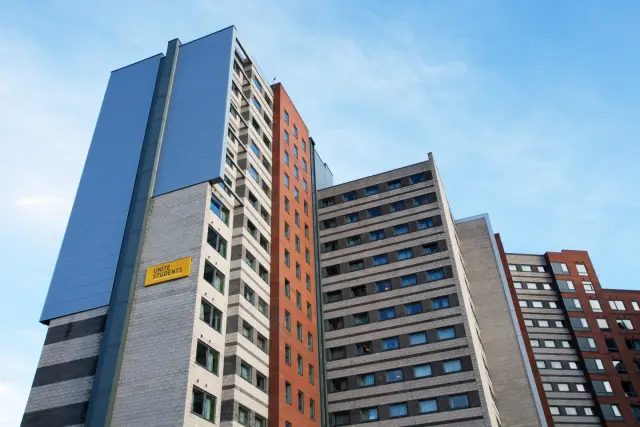
Although the provided data does not list specific student residences near Aarhus University, the following logic can help you shortlist options using any available listings (from housing portals or operators). Apply these criteria when you search:
- Distance to campus – Use Google Maps walking/biking time from the address to Nordre Ringgade 1. Prioritise under 30 minutes biking or 20 minutes walking if your budget allows.
- Rent inclusive or exclusive – Check if electricity, heating, water, and internet are included. Danish winters are long; utilities can add 500–1,000 DKK/month.
- Contract type – Look for indefinite contracts (tidsubegrænset) if you plan to stay 2+ years, or short-term (6–12 months) for flexibility. Some student housing requires you to be enrolled for the entire contract period.
- Deposit and upfront payment – Typical deposit is 3 months’ rent. Some operators require first month plus deposit upfront. Ensure you have funds ready.
- Furnished vs unfurnished – Many Danish flats come unfurnished (white box – walls, floors, kitchen, bathroom). Student residences may be partially furnished. Factor in cost of buying furniture if needed.
- Reviews of the operator – Search Google or Reddit for past tenant experiences. Avoid operators with complaints about maintenance, deposit returns, or hidden fees.
- Roommate/social environment – If sharing, consider whether housemates are students, professionals, or mixed. Some international students prefer living with other English speakers.
- Neighbourhood safety and amenities – Walk around the area during daytime and evening. Check proximity to a supermarket (Netto, Rema 1000), laundromat, and bus stop.
Apply this checklist to each candidate residence. If an operator provides a floor plan and photos, verify the actual size (Danish law regulates minimum square metres for rooms). Keep in mind the mixed academic reviews — a stable, comfortable home can help you focus on studies despite any challenges.
FAQ: Three Common Questions from Incoming Students
1. When should I start looking for housing?
For a September 2026 semester start, begin searching in February or March 2026. Many private student housing operators open applications 6–12 months ahead. The Aarhus housing market peaks in July–September; early action gives more choices. If you are arriving on a short notice, consider temporary accommodation (hostel, Airbnb) for the first 2–4 weeks while you view apartments in person.
2. Do I need a Danish CPR number to rent?
For many private rentals, you can sign a lease without a CPR number (personal registration number), but you will need one soon after arrival for banking, health insurance, and utilities. Some housing associations (almene boliger) may require a CPR number to join the waiting list. International students often get their CPR at the Citizen Service office within a week of arriving.
3. Is it better to live near campus or near the city centre?
It depends on your priorities. Living near campus (Trøjborg, Risskov) gives you a quiet environment and short walk to lectures. Near the city centre (Vesterbro, Latinerkvarteret) provides more nightlife and restaurant options but adds 20–30 minutes to your commute. Many students bike regardless, so both are viable. If you rely on public transport, check bus frequency in the evening.
Summary and a Note on Data Timeliness
Student experiences at Aarhus University are divided, with praise for the campus environment but serious concerns raised about teaching and racism for some international cohorts. For housing, your best strategy is to start early, apply the shortlist logic above, and confirm all prices with the operator. The indicative budget ranges and transport advice reflect 2026 conditions. For the most accurate costs and availability, contact multiple operators directly.
Data as of February 2026.
See also: listing details · browse more